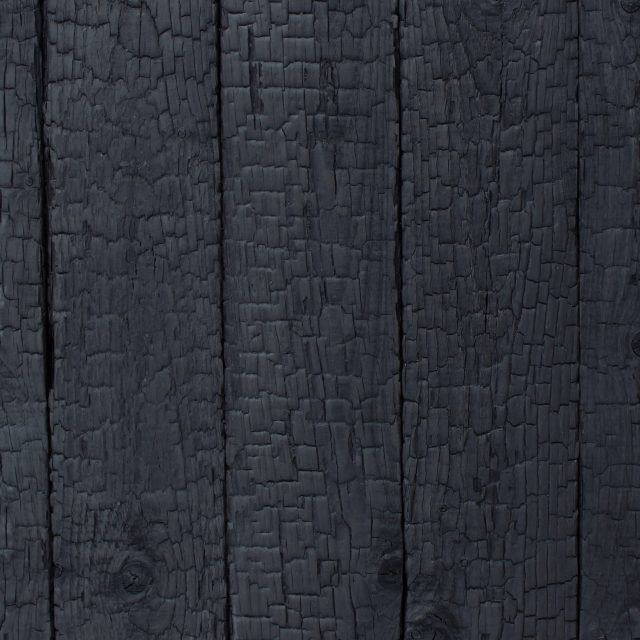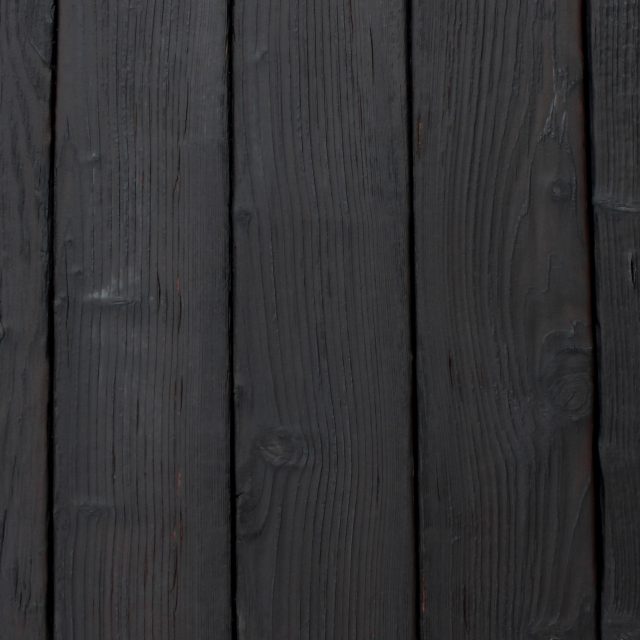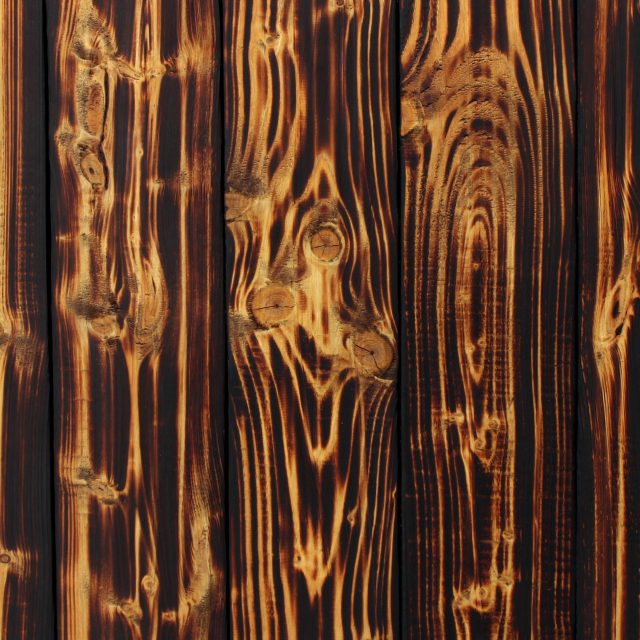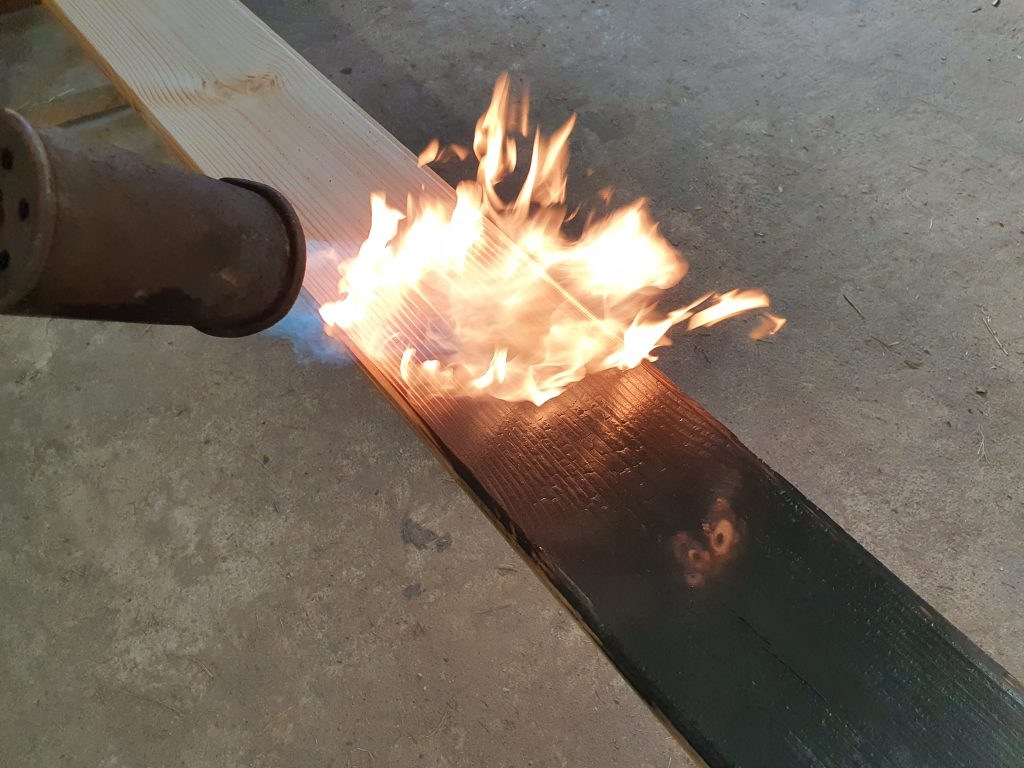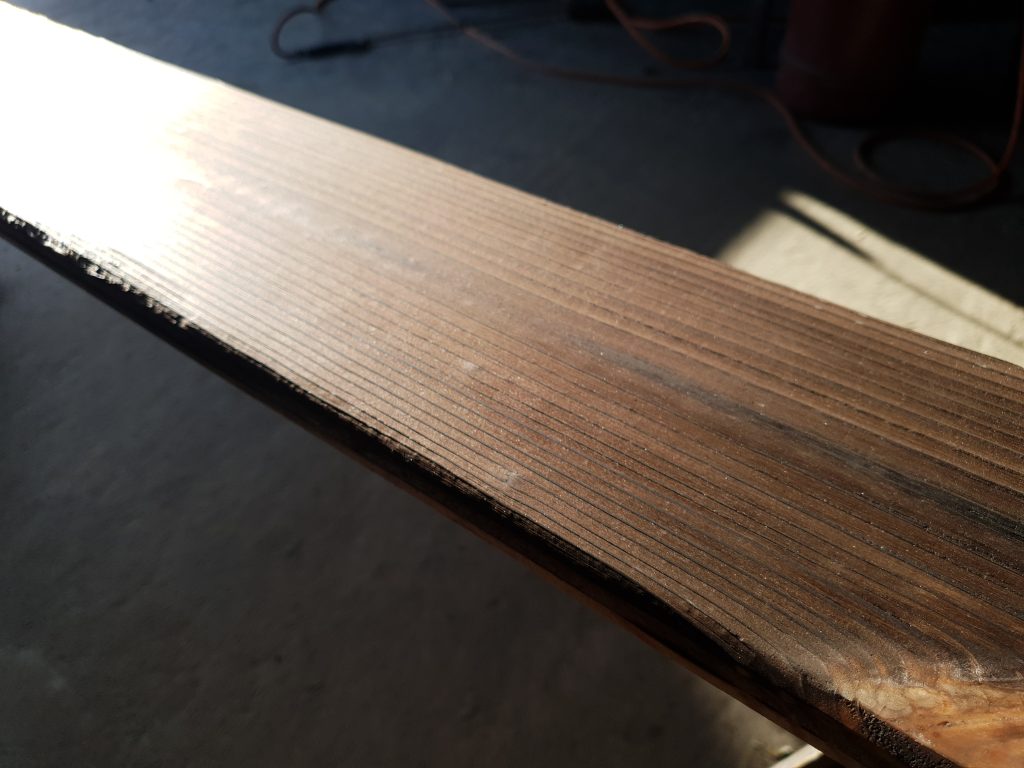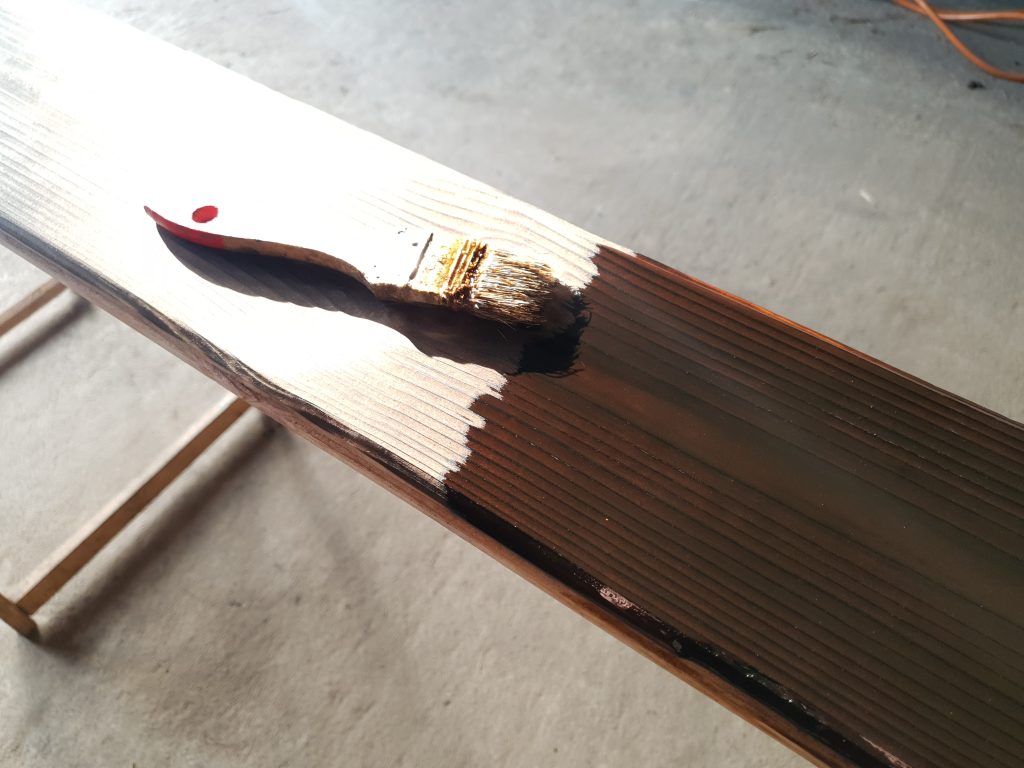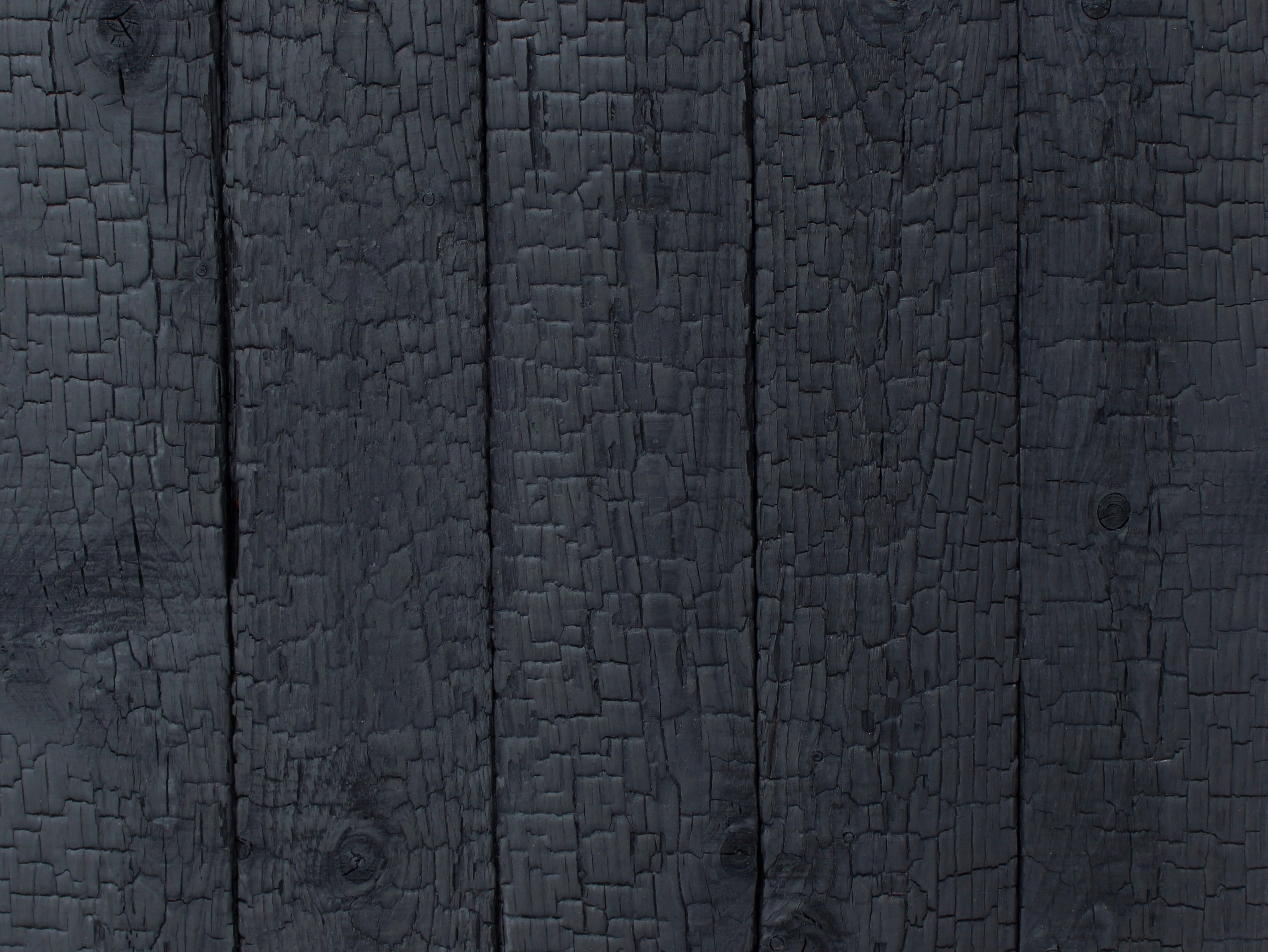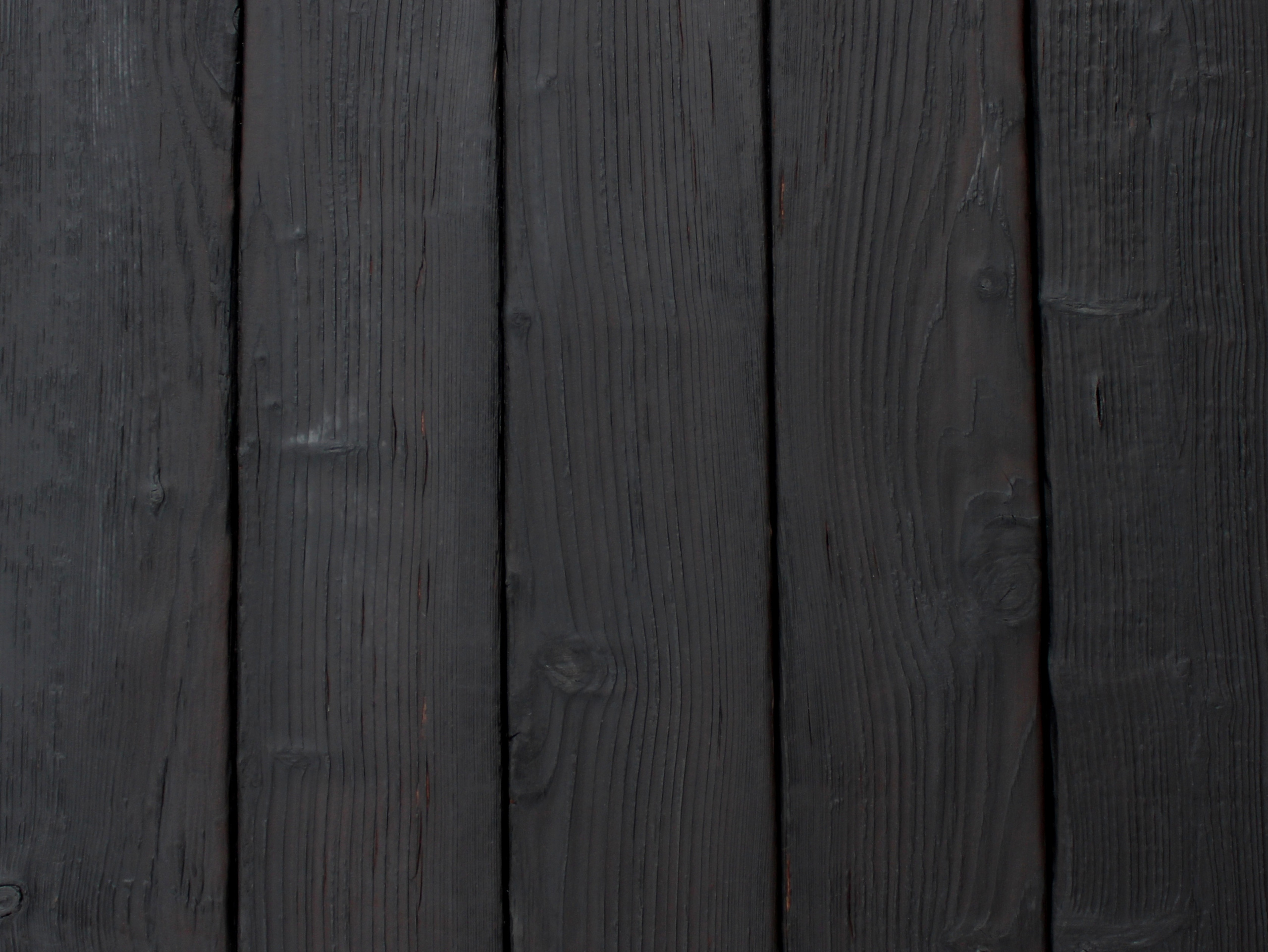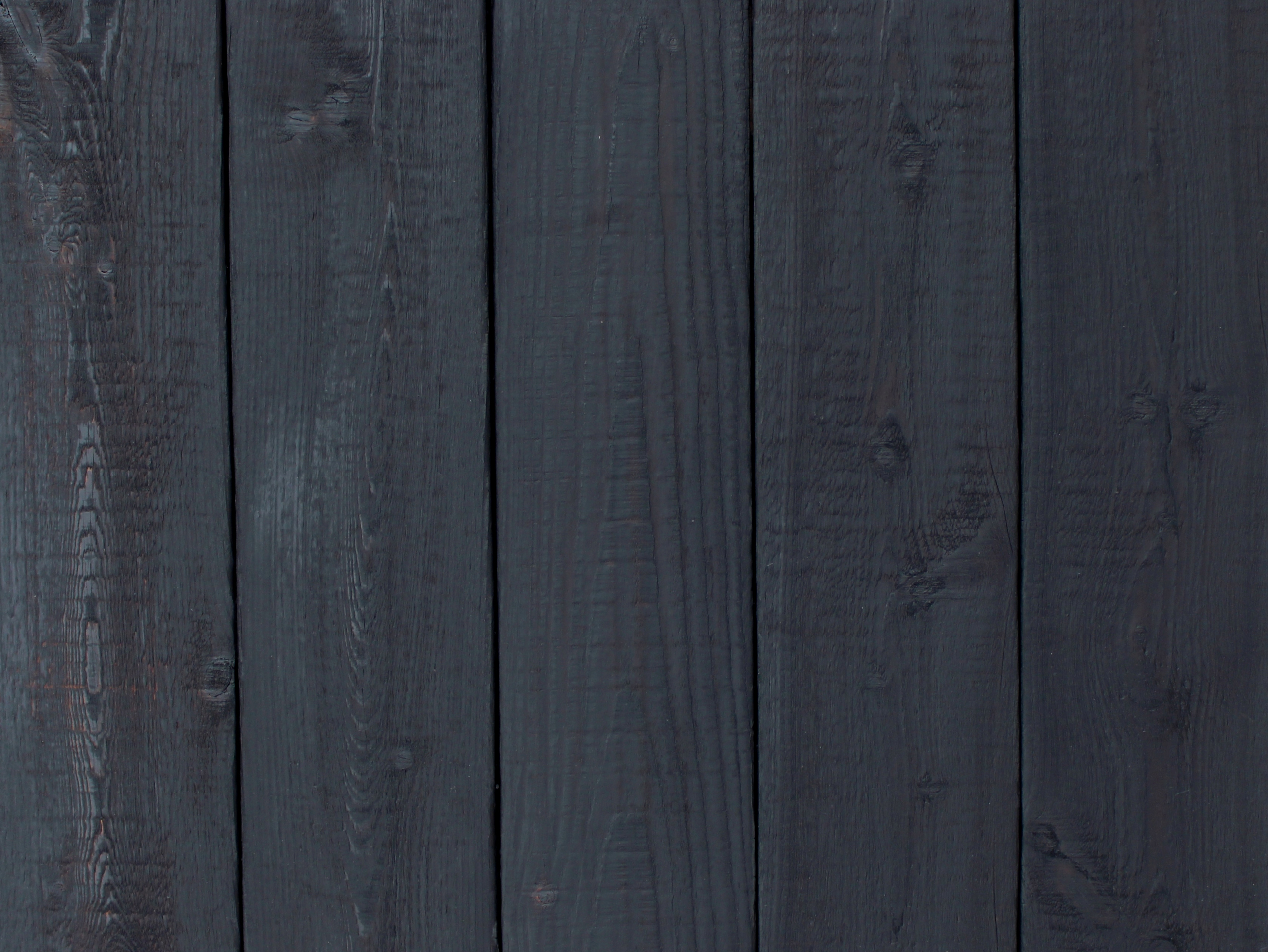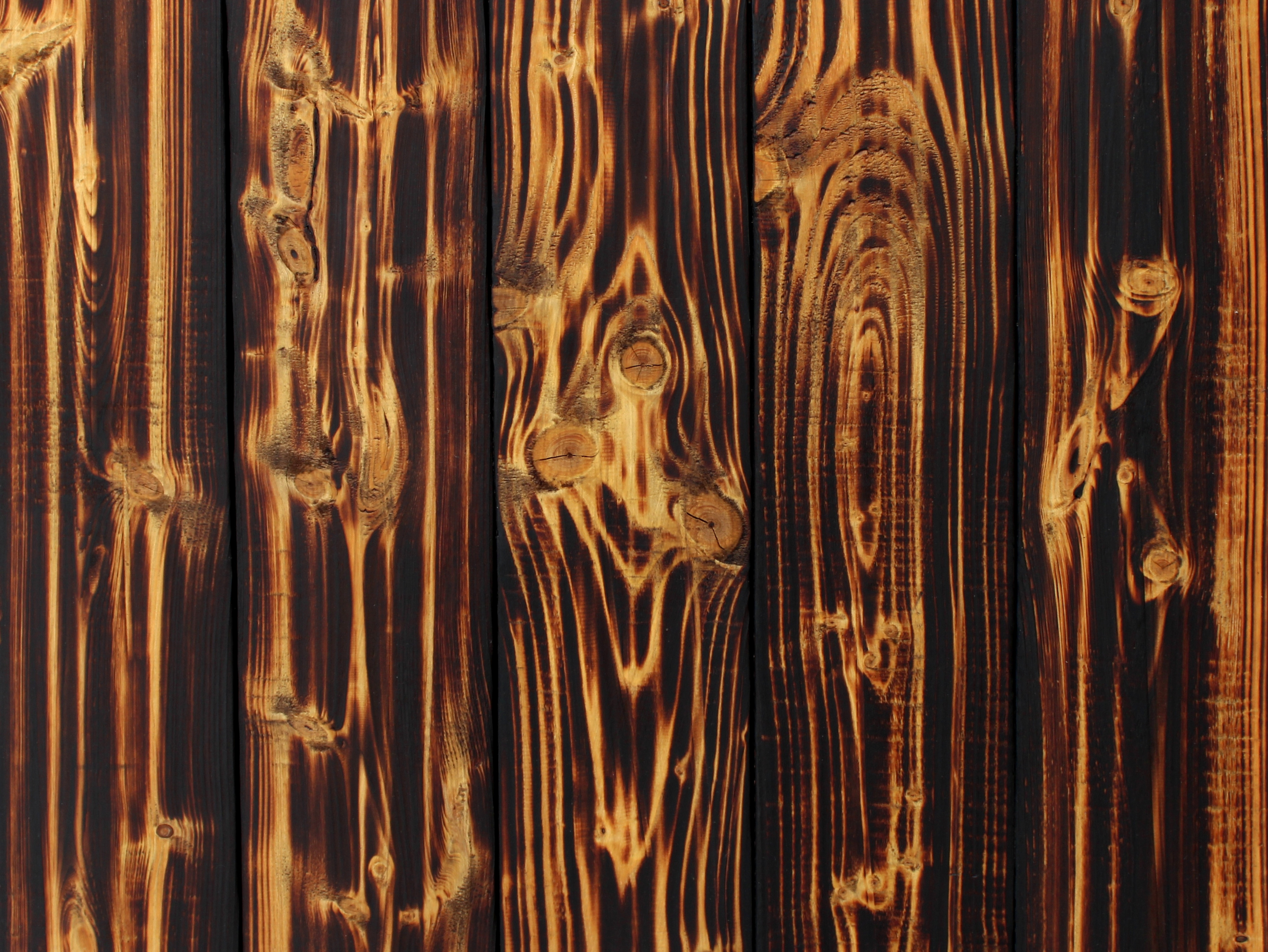

Yakisugi (also known as Shou Sugi Ban) is a traditional Japanese technique for preserving and finishing wood by charring it with fire. This process not only helps to protect the wood from insects, rot, and weathering but also enhances its aesthetic appeal. Shou Sugi Ban involves burning the surface of the wood, then brushing it and lastly finishing with special plant-based oil or linseed tint.
The charred layer acts as a protective barrier that repels moisture, and the finish helps to maintain the wood’s integrity over long period of time. As it has proven over time, Shou Sugi Ban cladding has the potential to last for several decades, and in some cases, over a century.

One more important thing is that Shou Sugi Ban technique enhances wood durability and resistance to decay without the need for harmful chemical treatments. This sustainable practice often involves using responsibly sourced or reclaimed wood, promoting forest conservation and reducing the environmental impact associated with conventional construction materials. Additionally, the energy-efficient charring process that we achieve with our hi-tech machine and the use of natural finishing oils further contribute to Shou Sugi Ban’s reputation as an environmentally conscious choice for both aesthetic and sustainable building practices.
Our burned wood boards are not just a cladding; they are a testament to craftsmanship, durability, and unparalleled aesthetic appeal. Here’s why they make the perfect choice for your house:
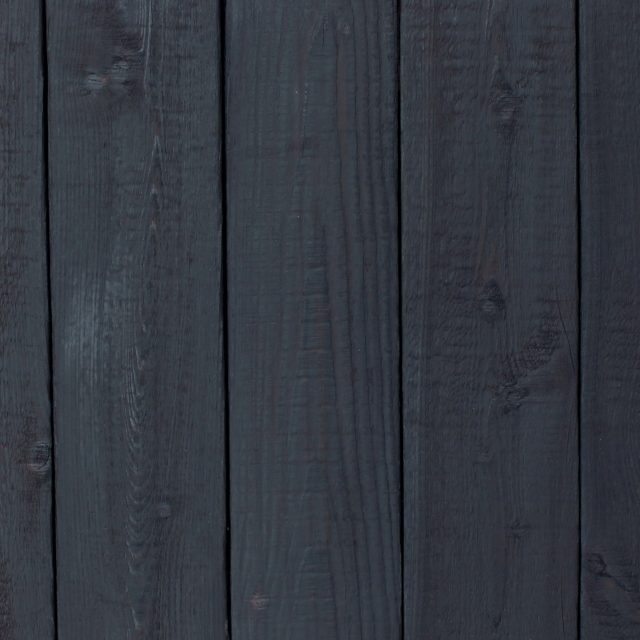
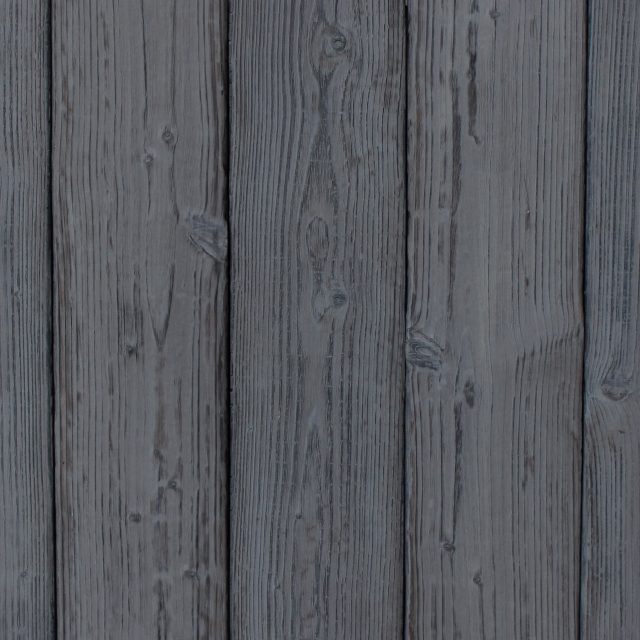
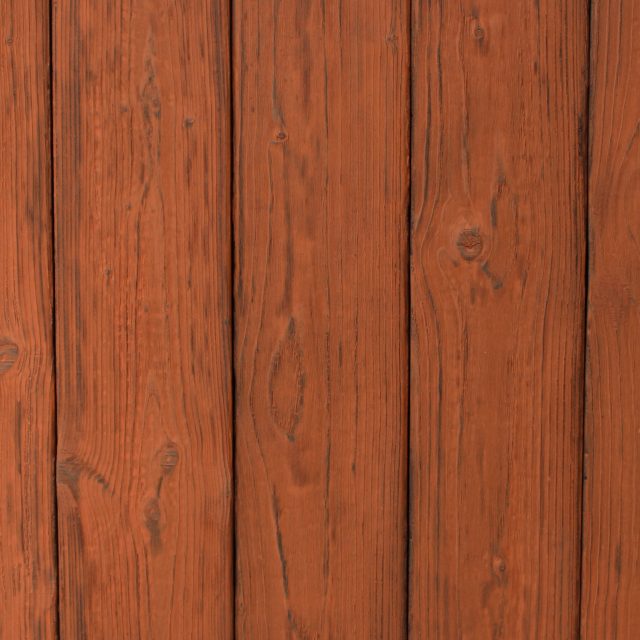
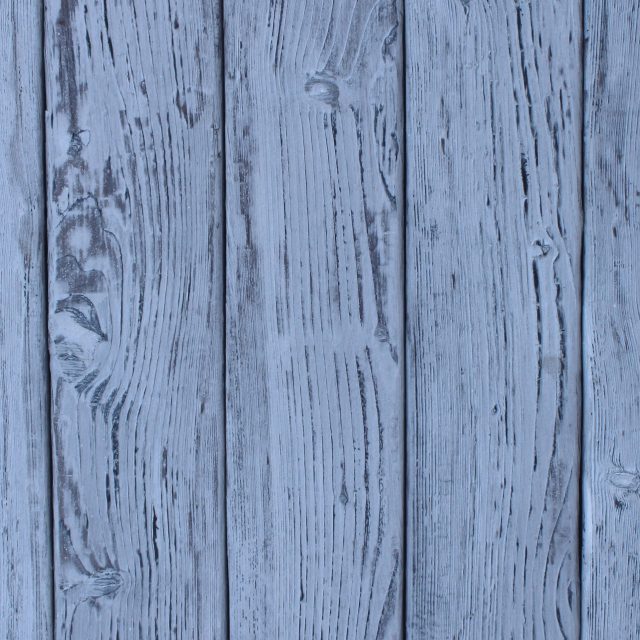
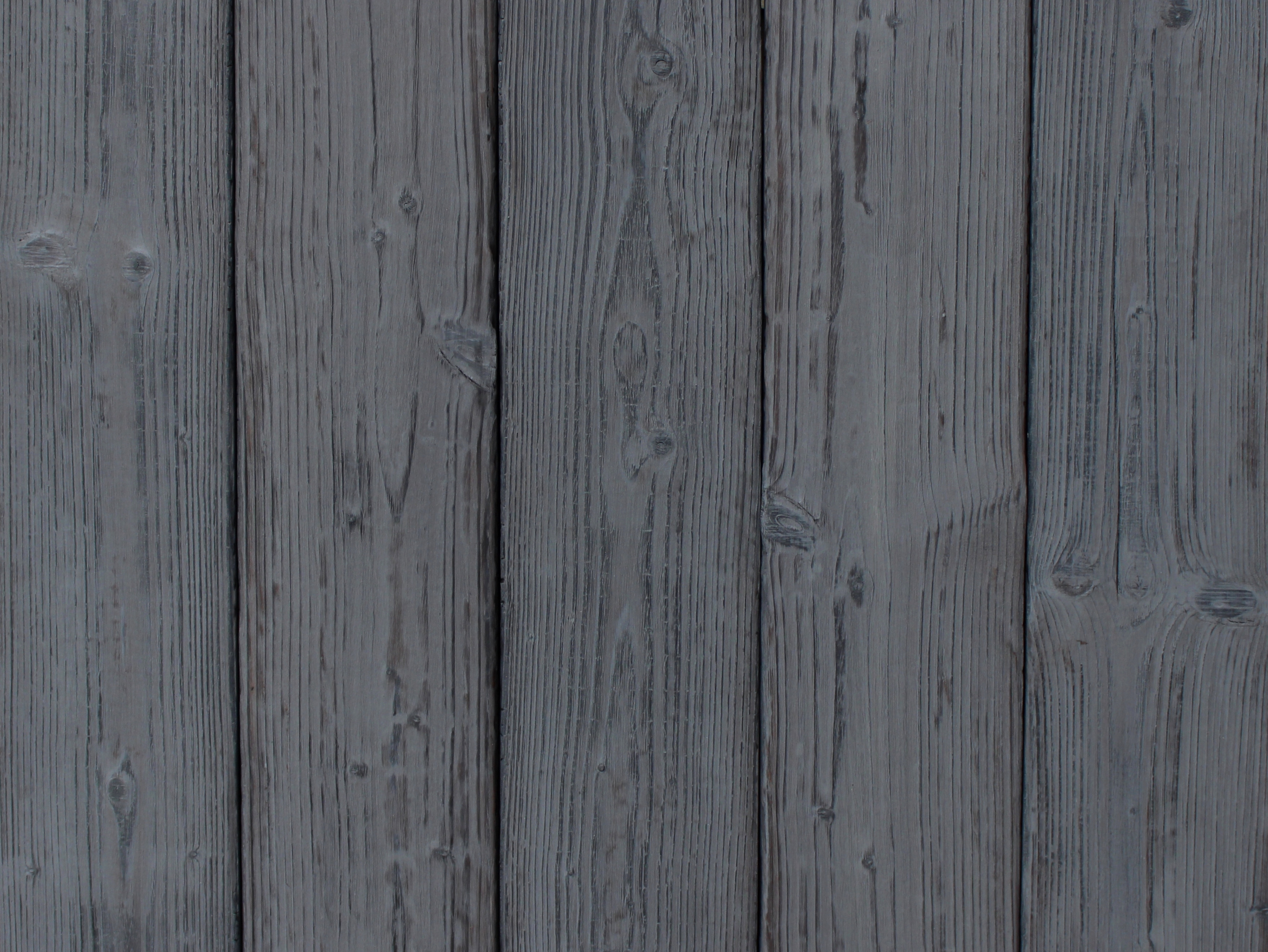
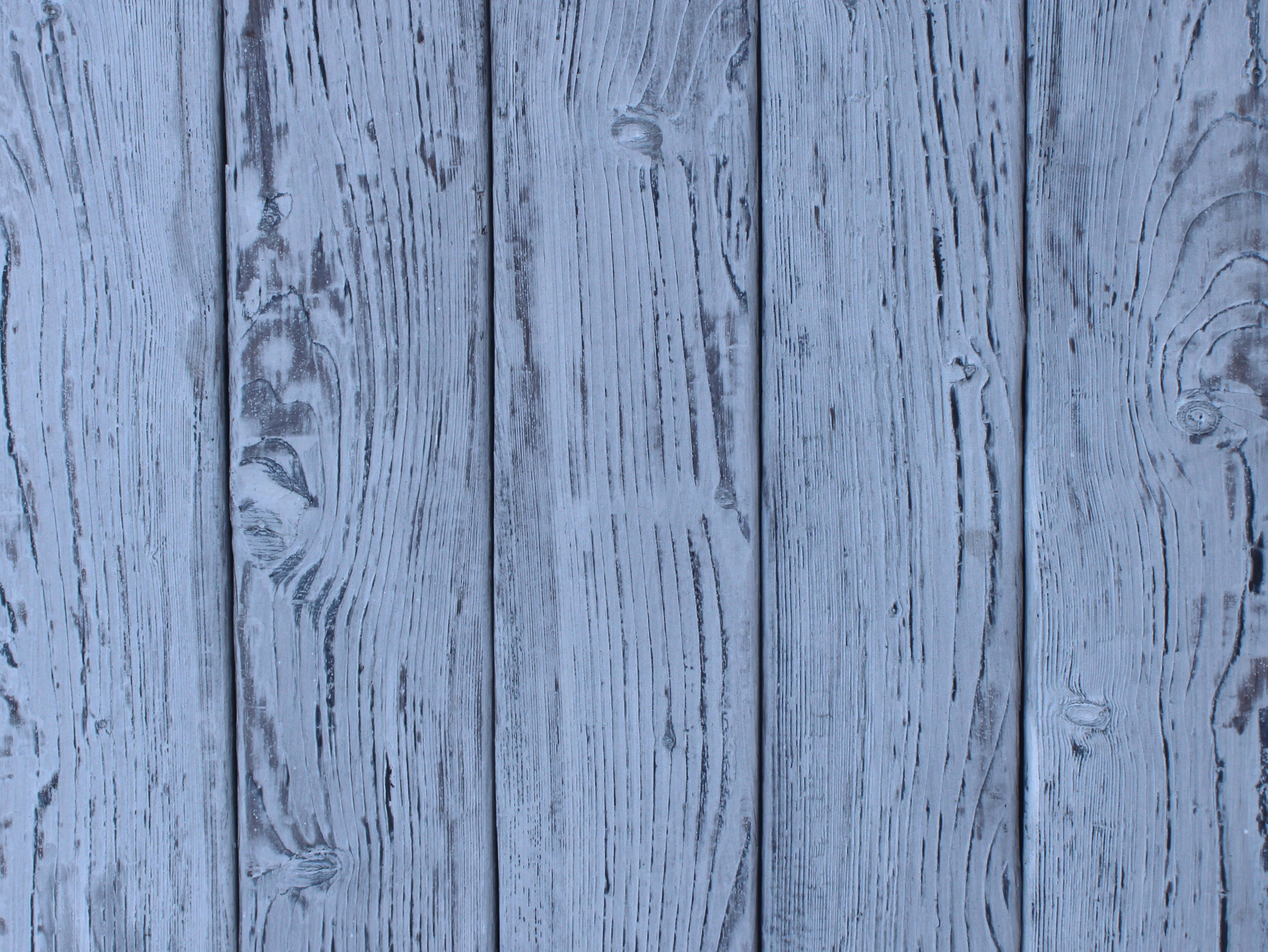
Colored options of Shou Sugi Ban burned wood are achieved by first burning the boards, then carefully brushing them, and finally treating them with a colored linseed oil stain or paint. Linseed oil paint for exterior cladding is known for its long service life. The paint layer lasts for decades and does not peel, unlike regular paints.
Presently, our collection comprises an array of six distinct variations of burned wood cladding:
Need help? Talk to an expert
07597 724 862