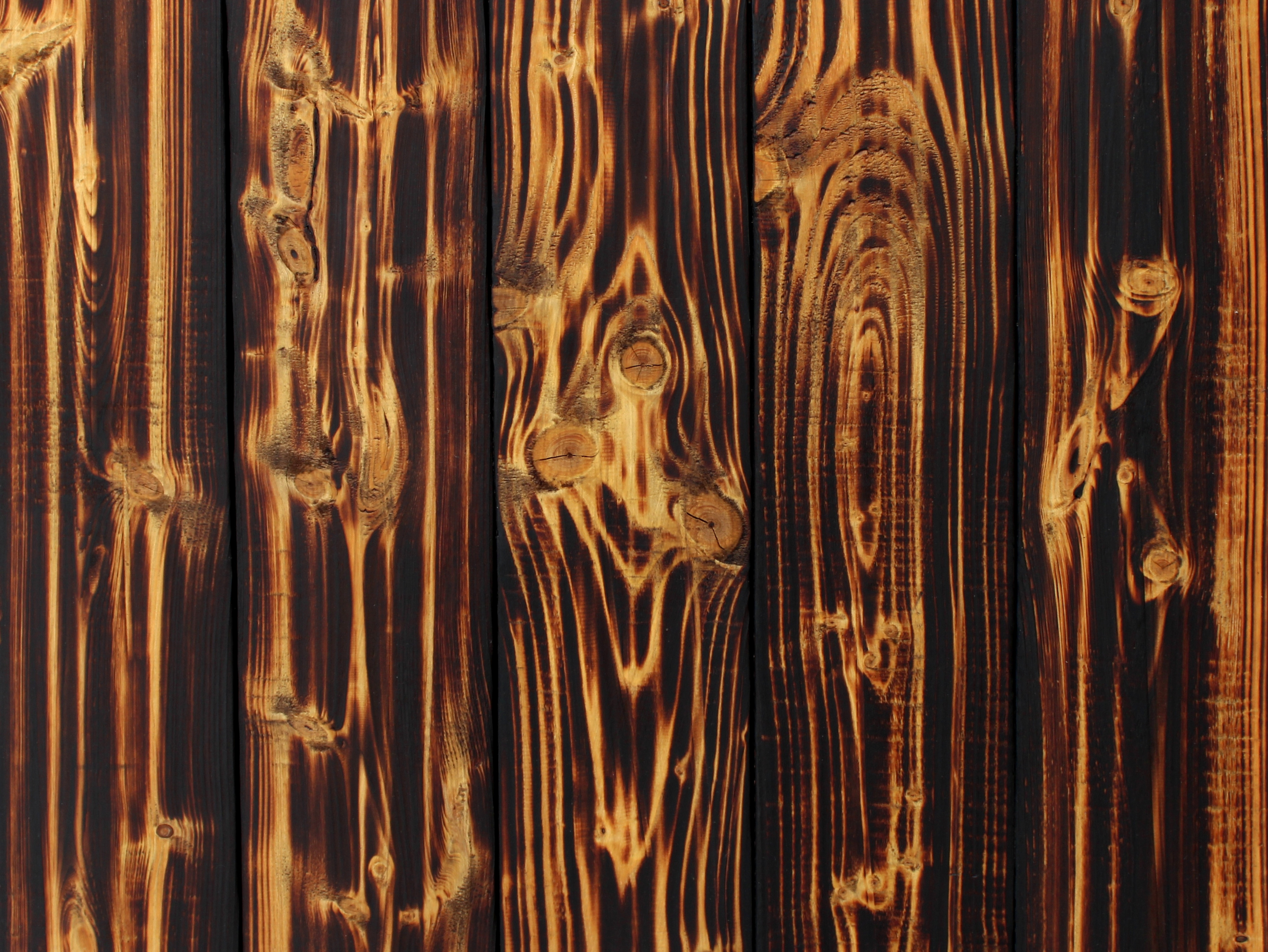

Shou Sugi Ban Burned Wood Cladding - Ed Builders

Shou Sugi Ban Burned Wood Cladding

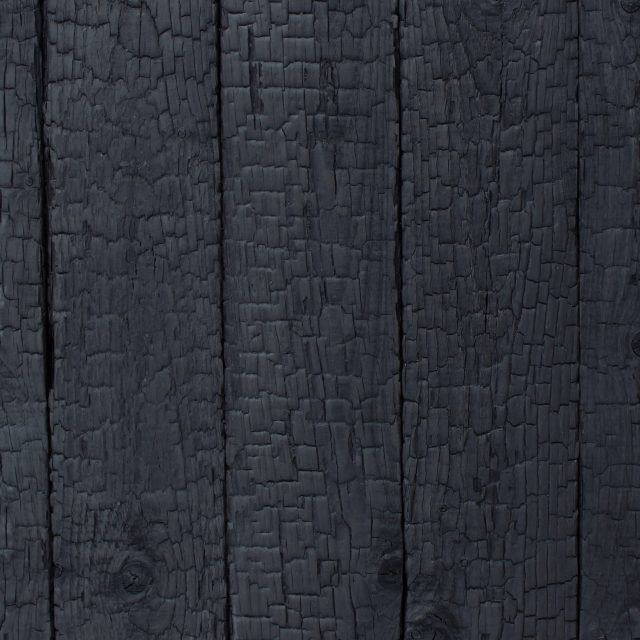
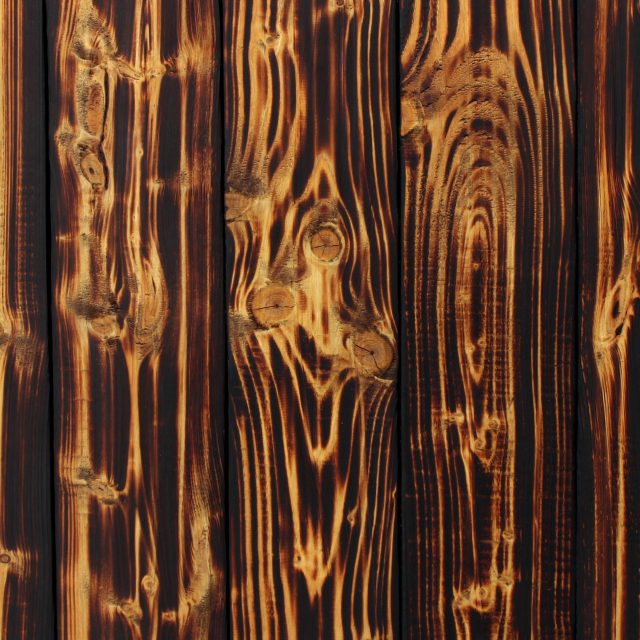
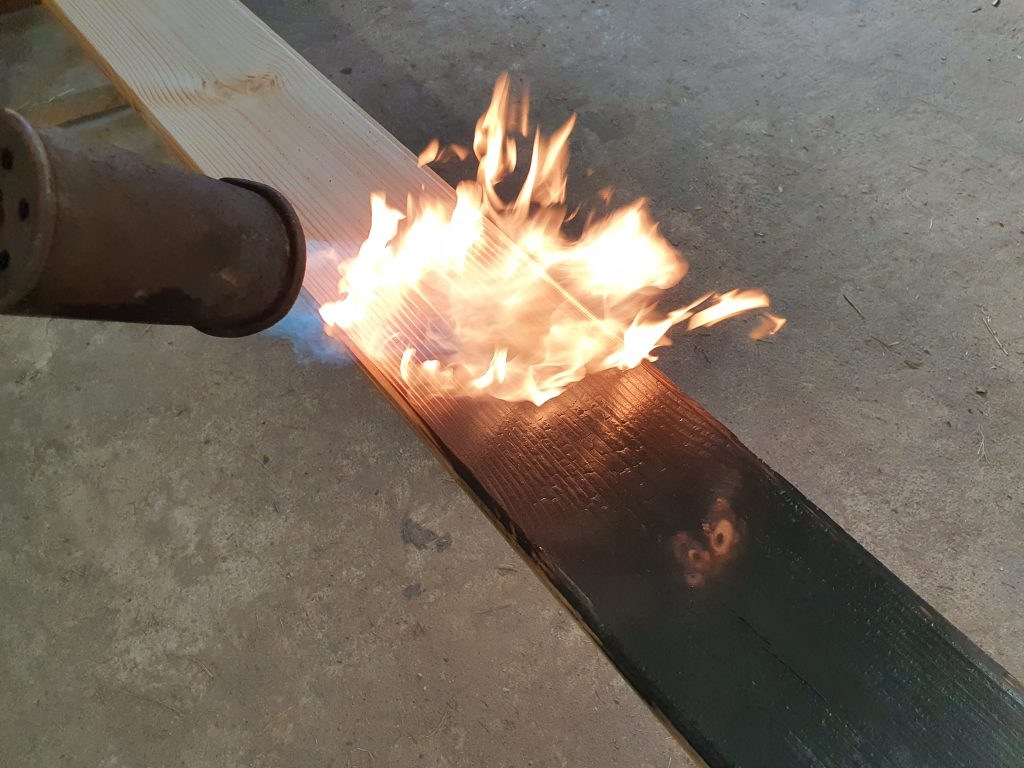
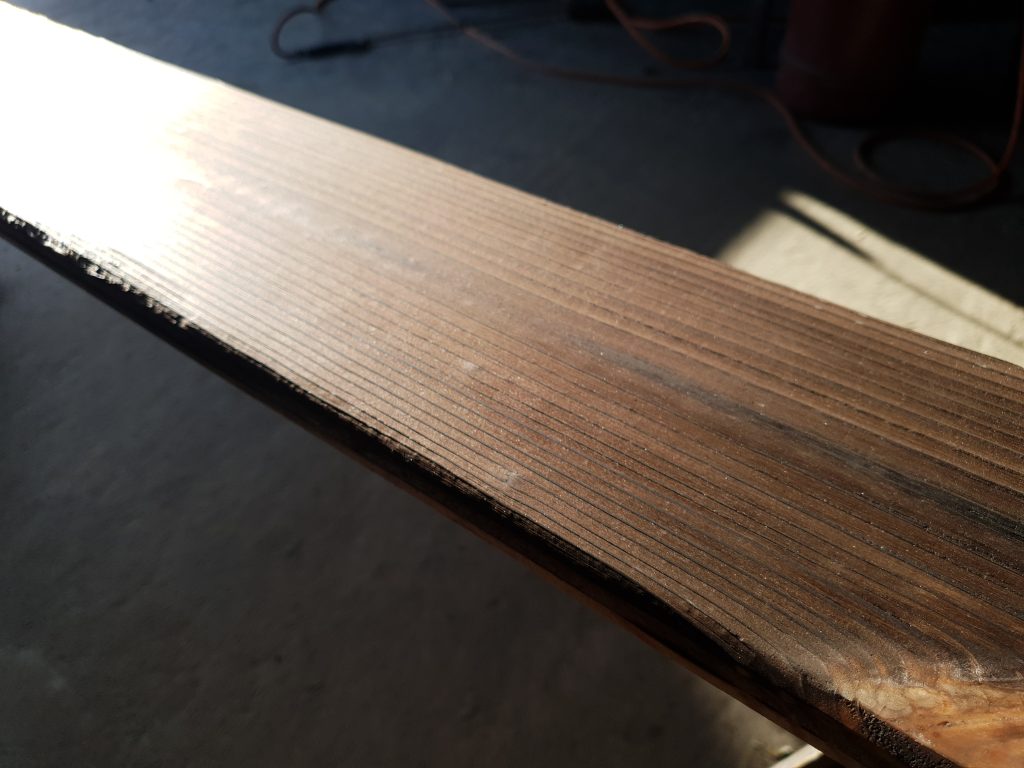
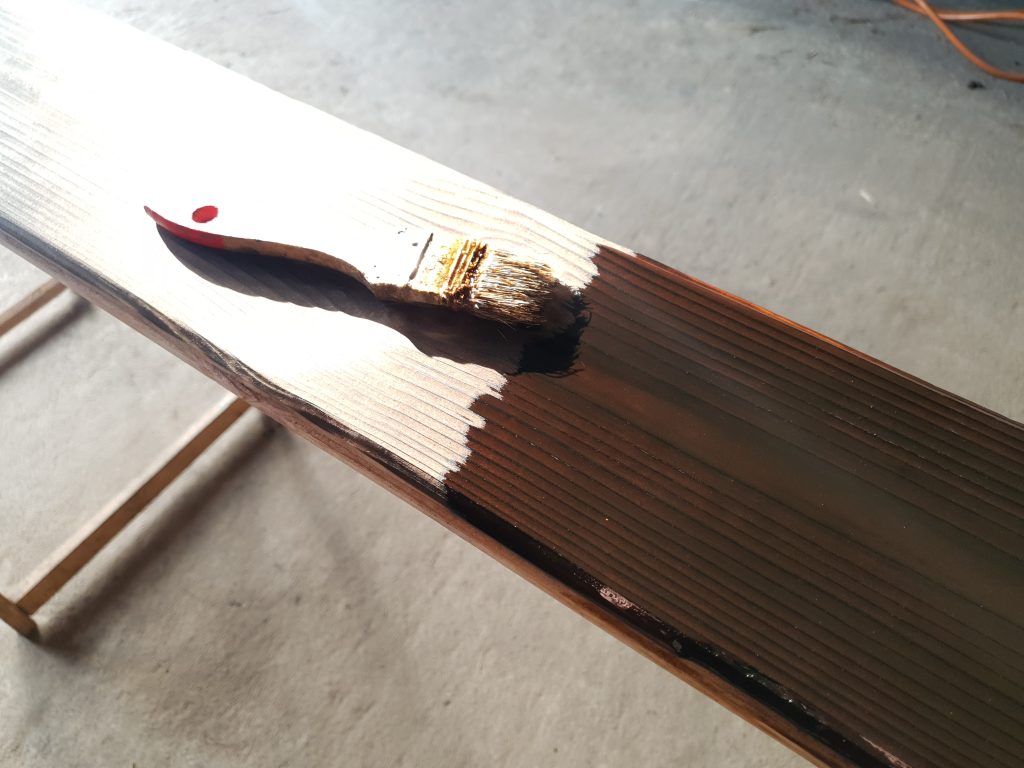
Yakisugi (also known as Shou Sugi Ban) is a traditional Japanese technique for preserving and finishing wood by charring it with fire. This process not only helps to protect the wood from insects, rot, and weathering but also enhances its aesthetic appeal. Shou Sugi Ban involves burning the surface of the wood, then brushing it and lastly finishing with special plant-based oil or linseed tint.

The charred layer acts as a protective barrier that repels moisture, and the finish helps to maintain the wood’s integrity over long period of time. As it has proven over time, Shou Sugi Ban cladding has the potential to last for several decades, and in some cases, over a century.

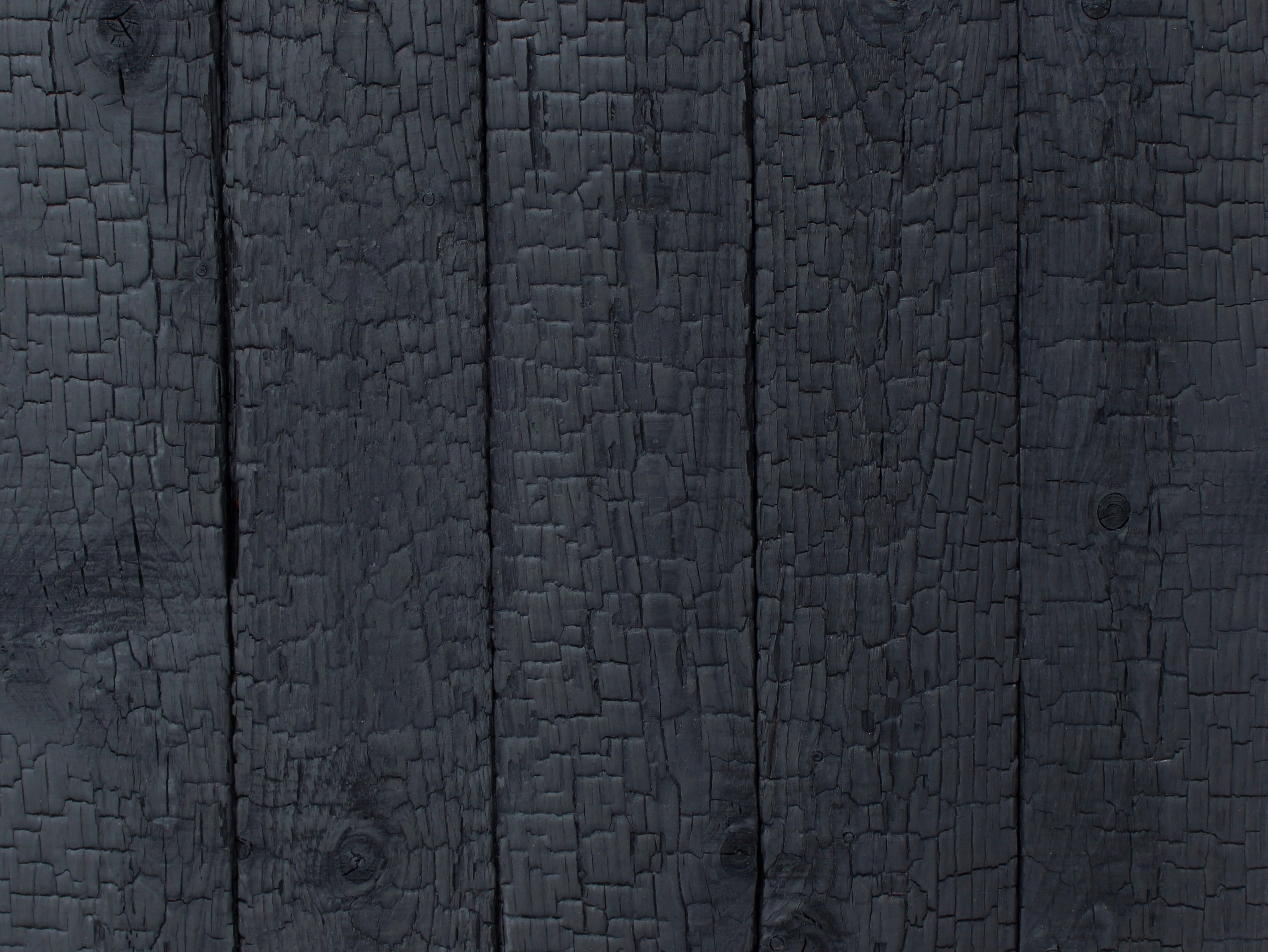
Shou Sugi Ban cladding

One more important thing is that Shou Sugi Ban technique enhances wood durability and resistance to decay without the need for harmful chemical treatments. This sustainable practice often involves using responsibly sourced or reclaimed wood, promoting forest conservation and reducing the environmental impact associated with conventional construction materials. Additionally, the energy-efficient charring process that we achieve with our hi-tech machine and the use of natural finishing oils further contribute to Shou Sugi Ban’s reputation as an environmentally conscious choice for both aesthetic and sustainable building practices.

Why You Should Consider Burned Wood for House Cladding?

Our burned wood boards are not just a cladding; they are a testament to craftsmanship, durability, and unparalleled aesthetic appeal. Here’s why they make the perfect choice for your house:

  • Distinctive Design: The Shou Sugi Ban process imparts a distinct character to each board, creating a one-of-a-kind, weathered appearance that beautifully complements the natural surroundings of your summer retreat.
  • Durability and Longetivity in Every Fiber: Our burned wood boards are more than just visually stunning – they are made to last for decades and withstand even harsh weather. The charring process enhances the wood’s resistance to pests, rot, and decay, ensuring a long-lasting and low-maintenance solution.
  • Low Environmental Impact: The Shou Sugi Ban process itself is inherently eco-friendly. Unlike some conventional treatments, it doesn’t involve the use of harmful chemicals. Instead, it relies on fire to enhance the wood’s durability, making it a low-impact, natural preservation method.

Color and Appearance Options for Shou Sugi Ban Cladding

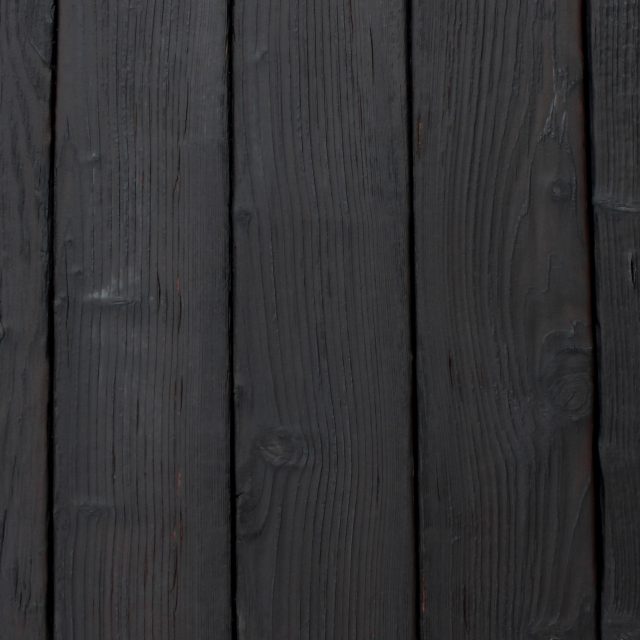
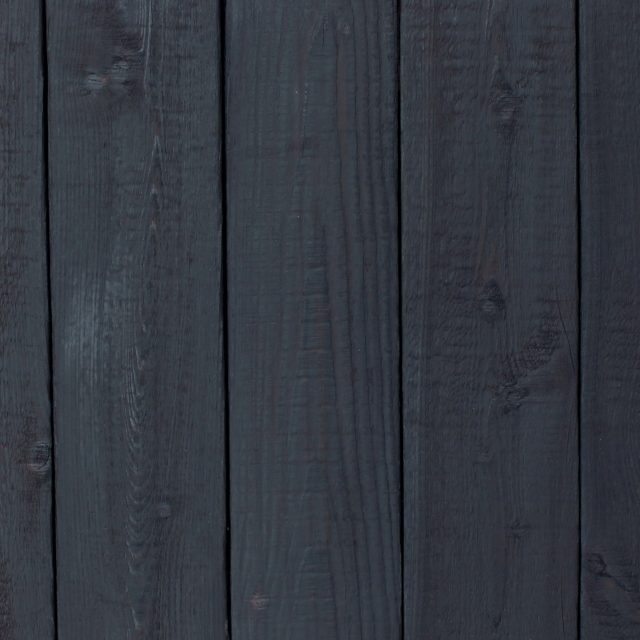
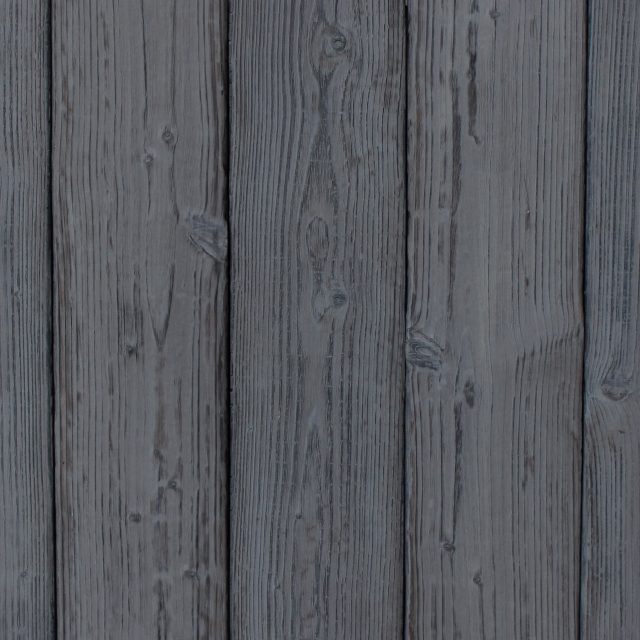
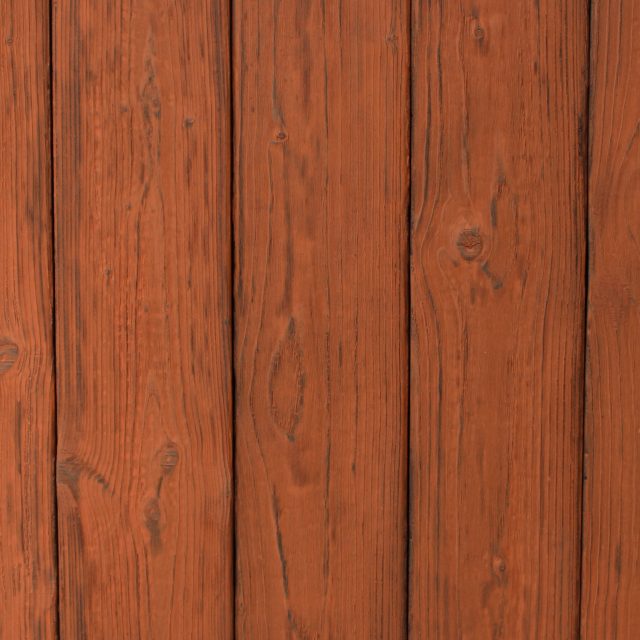
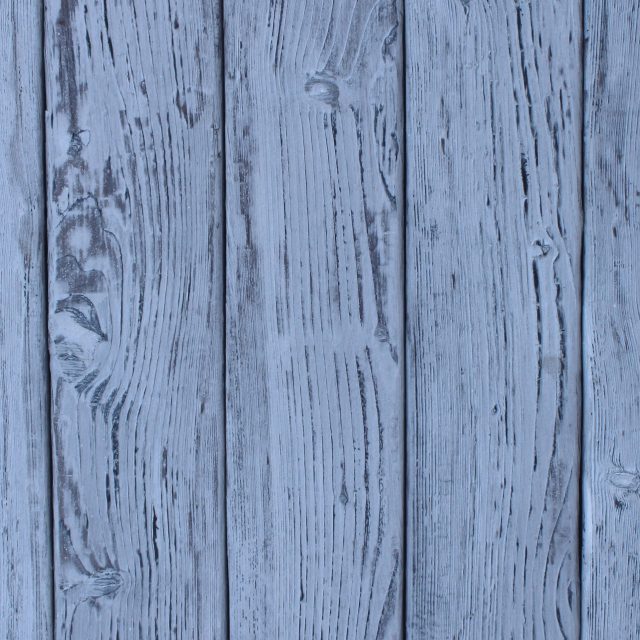
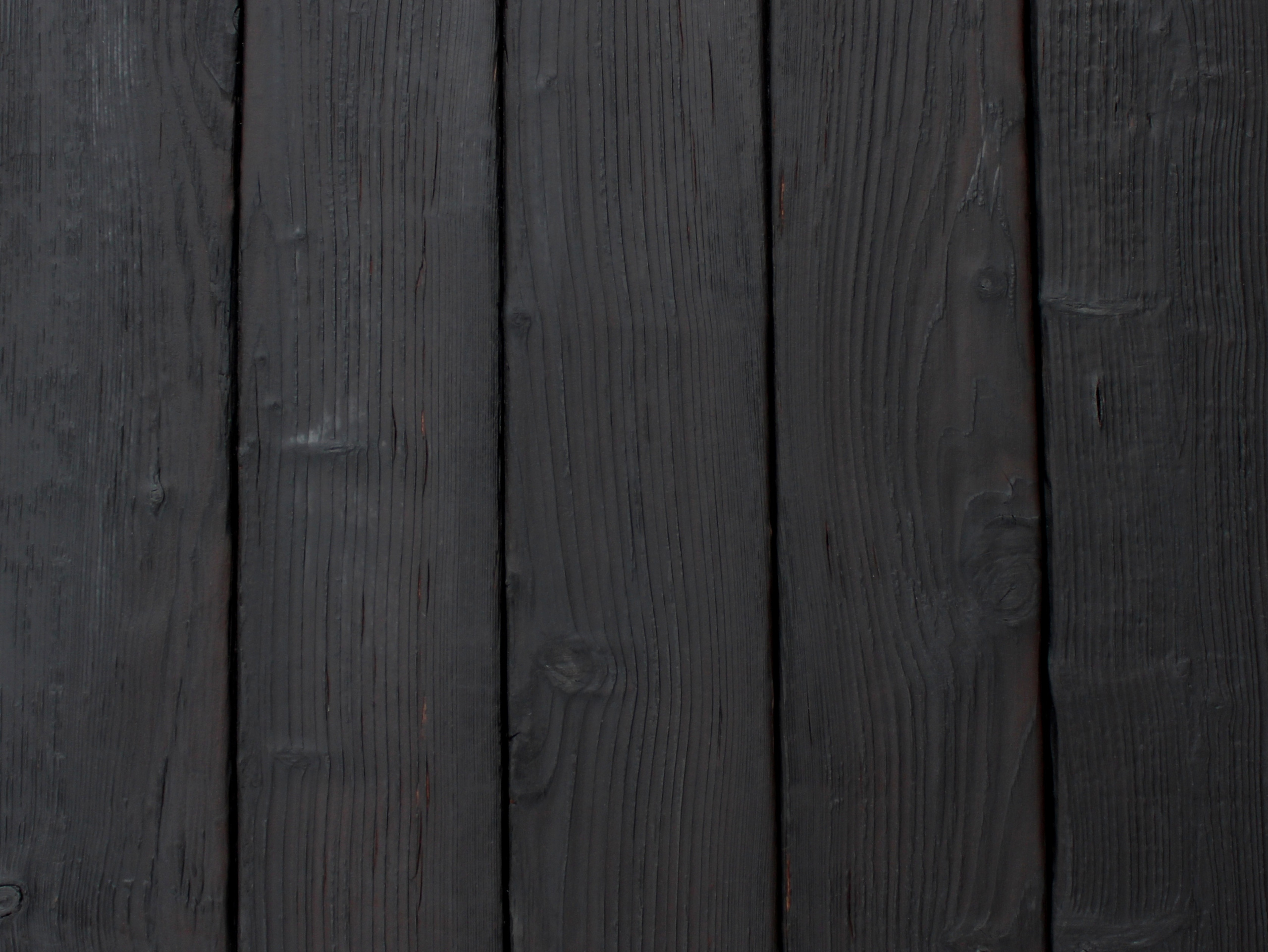
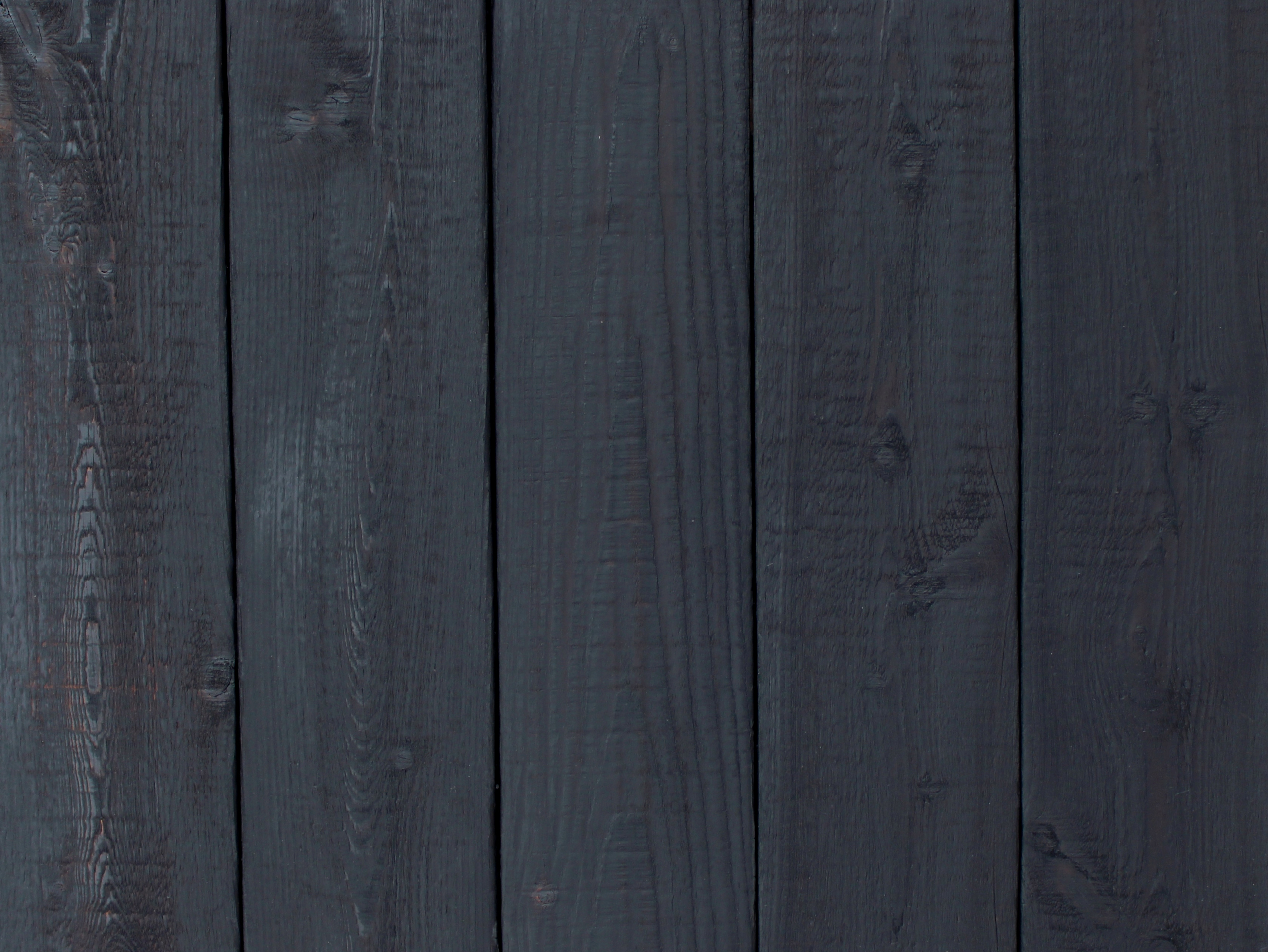
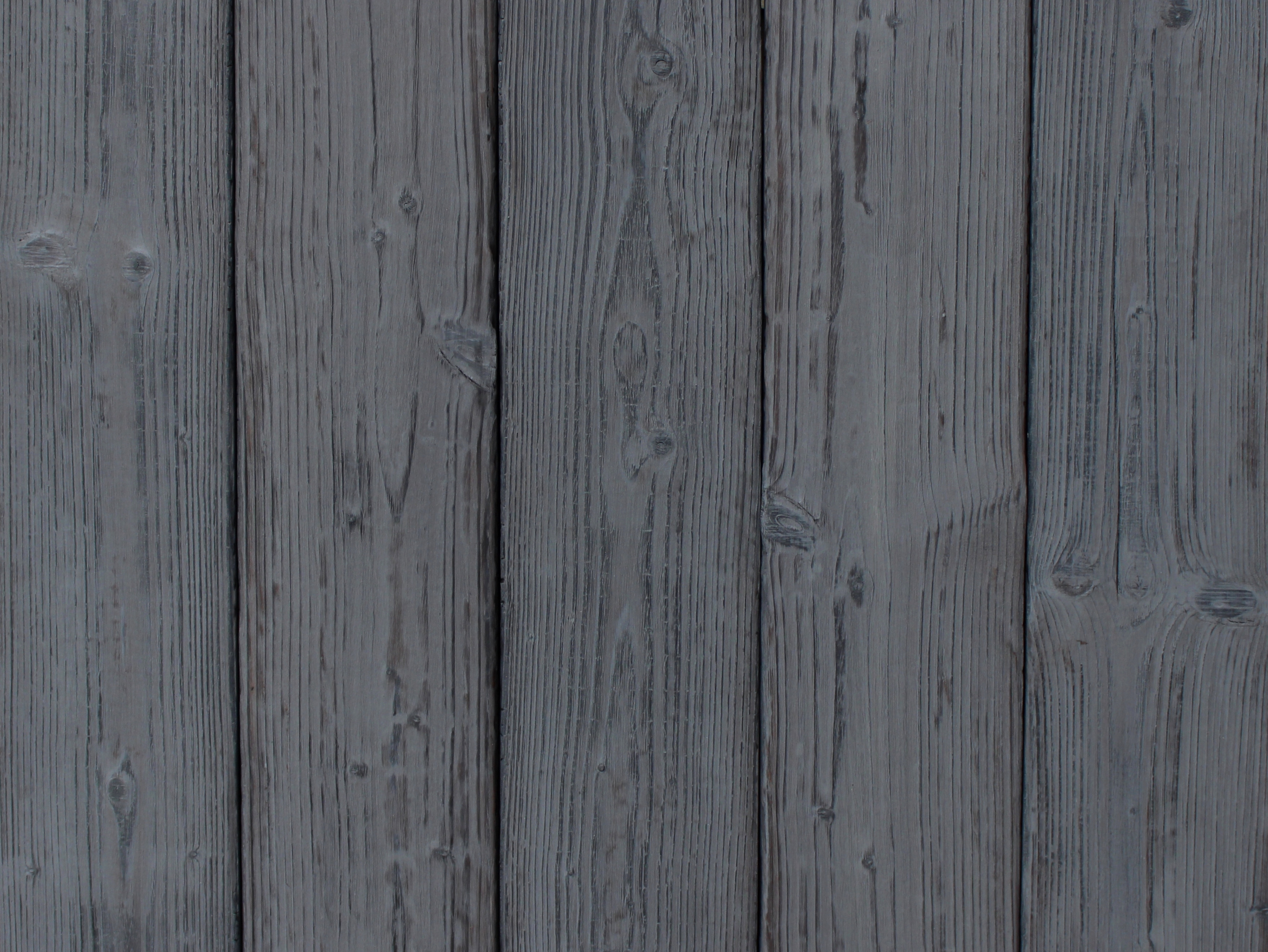
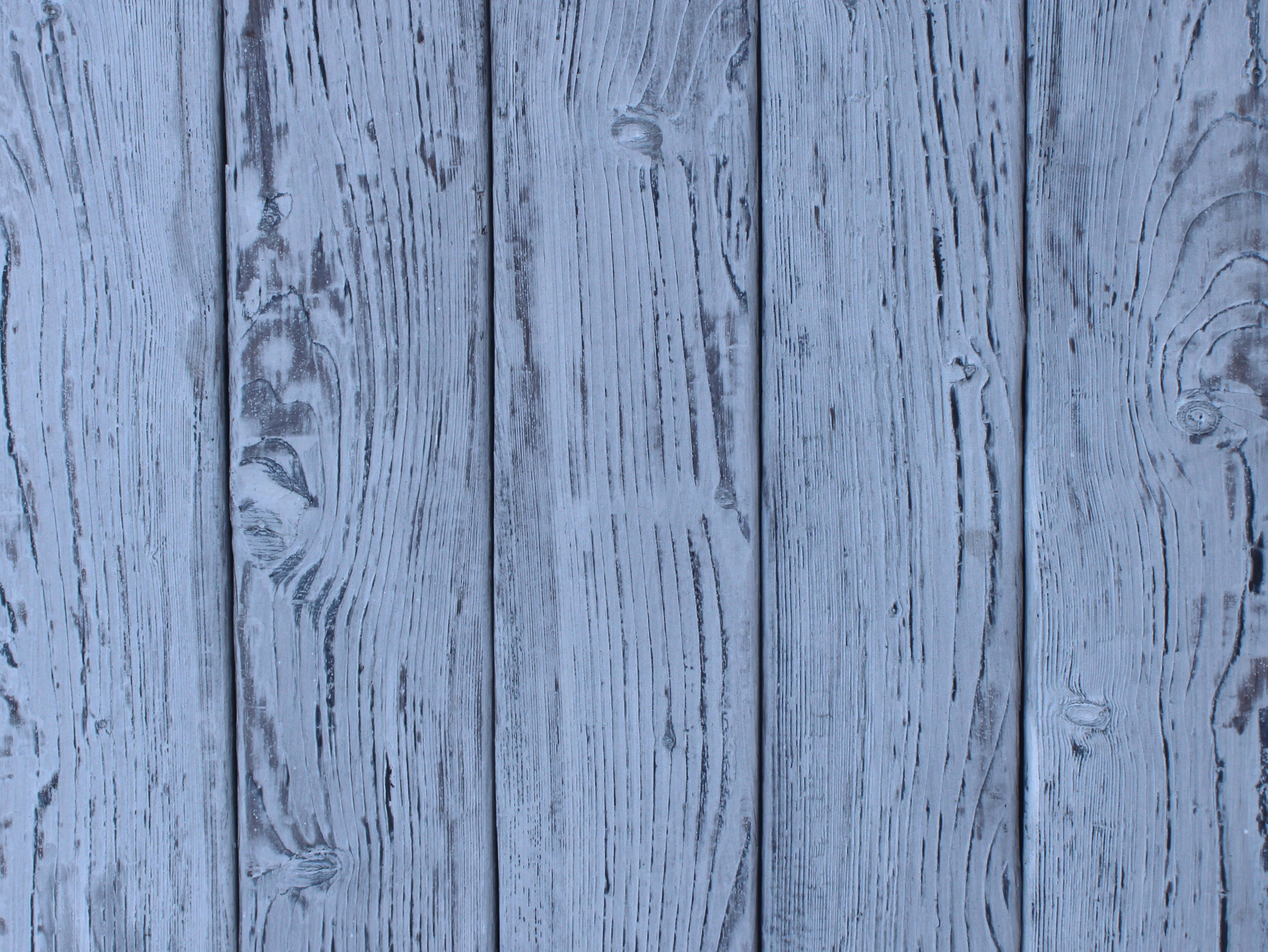
Colored options of Shou Sugi Ban burned wood are achieved by first burning the boards, then carefully brushing them, and finally treating them with a colored linseed oil stain or paint. Linseed oil paint for exterior cladding is known for its long service life. The paint layer lasts for decades and does not peel, unlike regular paints.

Presently, our collection comprises an array of six distinct variations of burned wood cladding:

Frequently asked questions

  • What maintenance is required for Shou Sugi Ban cladding?
    Maintenance is generally low, involving periodic cleaning to remove debris and dirt. Additionally, if your house is located in a sunny place, the cladding may require the reapplication of protective oil, especially on the south wall, to increase the cladding's lifetime. If maintained correctly and periodically, Shou Sugi Ban cladding can last over 100 years!
  • Can Shou Sugi Ban cladding be customized in terms of color and texture?
    Currently, we offer 7 different types of Shou Sugi Ban boards - 6 for outdoor/indoor use and one that is suitable only for indoor use. With linseed paint, we can achieve colors such as orange, white, gray, green, etc. However, you should keep in mind that not all colors look good with black-charred board lines, as they tend to disappear with darker colors.
  • Is Shou Sugi Ban cladding fire-resistant?
    The charring process can enhance the wood's natural fire resistance to some extent. However, it's crucial to adhere to local building codes and regulations regarding fire safety.
  • Can Shou Sugi Ban cladding be used for interior applications?
    Sure, Burned wood cladding can be applied indoors for accent walls, ceilings, or other decorative elements. In fact, It adds a distinctive touch to interior spaces.
  • What are the advantages of using Shou Sugi Ban cladding for exterior applications?
    Burned wood cladding offers increased resistance to insects, decay, and weathering. It also provides a unique, textured appearance that adds character to exterior surfaces.
  • What is Shou Sugi Ban cladding, and how is it made?
    Yakisugi (also known as Shou Sugi Ban) cladding is a traditional Japanese technique that involves charring wood to enhance its durability and aesthetic appeal. The process includes burning the wood, cooling it, and often cleaning and finishing the surface.
  • How long does Shou Sugi Ban cladding last?
    When properly installed and maintained, Shou Sugi Ban cladding has the potential to last for several decades, and in some cases, over a century.